Hurricane Season Electrical Prep for Florida Homes
Every Florida homeowner knows the drill when a storm spins up in the Gulf: bottled water, batteries, and plywood. But the part of your home most vulnerable to a hurricane is often the one people forget entirely — the electrical system. Power surges, downed lines, and multi-day outages do more lasting damage to Florida homes than the wind itself, and the peak of hurricane season runs right through August and September. The good news is that a few smart electrical upgrades, made before the next named storm, can save you thousands in ruined appliances and keep your family safe and comfortable when the grid goes down. Here's exactly how to get your home storm-ready.
1. Why Storms Are So Hard on Your Electrical System
When a hurricane moves through Florida, the threat to your electrical system comes from two directions at once. Lightning strikes and downed power lines send massive voltage spikes racing through the grid, while the sudden loss and restoration of power creates its own surges as utilities bring circuits back online. Either event can arrive in a fraction of a second and carry thousands of volts — far more than the sensitive electronics in a modern home are built to handle.
Think about everything in your house that now runs on a circuit board: your HVAC system, refrigerator, smart thermostat, TVs, computers, and even LED lighting. A single unprotected surge can quietly fry these components, and you may not discover the damage until you try to turn something on days later. In coastal and inland Florida alike, surge-related appliance failures spike dramatically in the weeks following major storms.
Extended outages add a second layer of risk. When the power is out for days in August heat, a home without a backup plan becomes dangerously hot, food spoils, medications that need refrigeration are at risk, and sump pumps or well systems stop working. Preparing your electrical system isn't just about protecting gadgets — it's about keeping your household functional and safe when conditions are at their worst.
2. Whole-Home Surge Protection: Your First Line of Defense
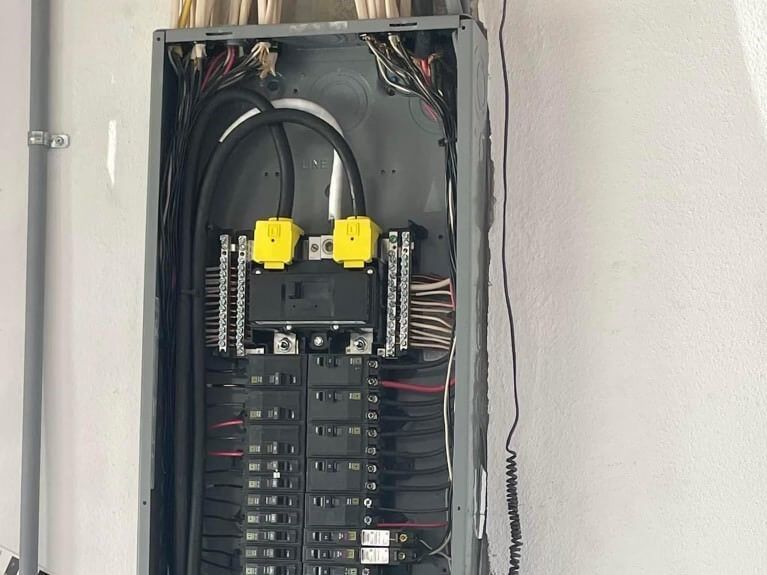
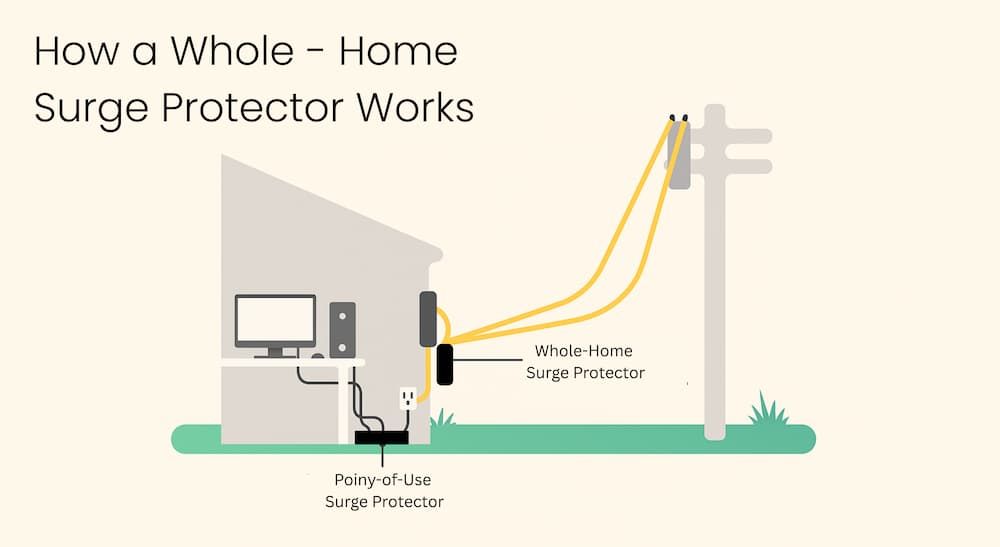
The single most cost-effective storm upgrade for most Florida homes is a whole-home surge protection device installed at your electrical panel. Unlike the power strips you plug in behind a desk, a whole-home unit intercepts surges at the point where electricity enters your house, shielding every circuit and every appliance downstream. It's the difference between guarding one door and guarding the entire perimeter.
These devices react in nanoseconds, diverting excess voltage safely to ground before it can reach your refrigerator's control board or your air handler's motor. For the best protection, electricians often recommend a layered approach: a robust unit at the panel paired with point-of-use protectors on your most sensitive electronics. Together they catch both the large grid-level surges and the smaller everyday spikes that wear components down over time.
Have you ever added up what it would cost to replace your HVAC system, refrigerator, and home electronics all at once? For most families that number climbs well into five figures — while a professionally installed whole-home surge protector is a small fraction of that. It's one of the highest-value, lowest-cost decisions a Florida homeowner can make before storm season peaks.
3. Standby Generators for Power You Can Count On
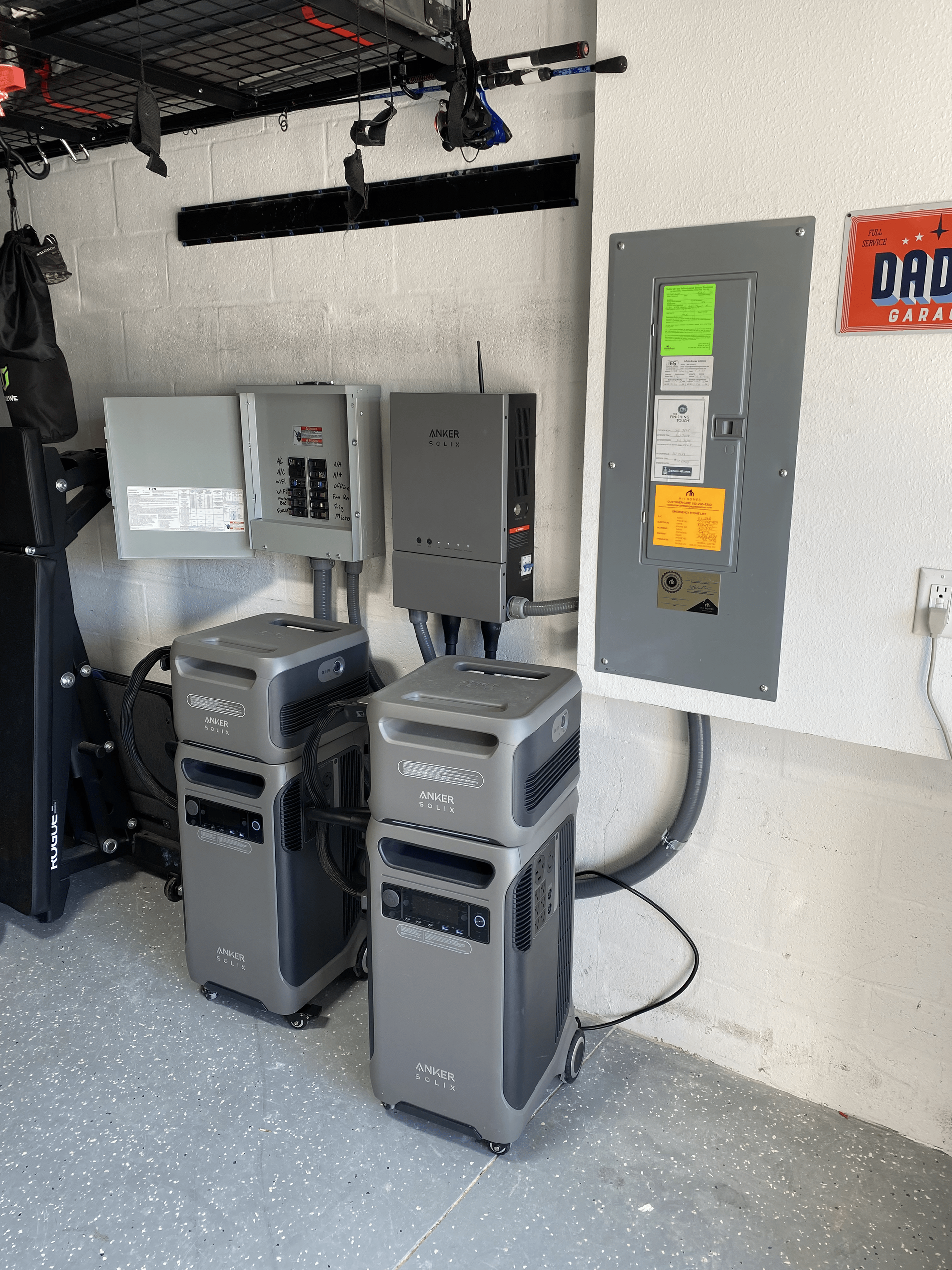
When outages stretch from hours into days, a standby generator is what separates a miserable week from a manageable one. Unlike a portable unit that you have to drag out, fuel, and babysit in the middle of a storm, a permanently installed standby generator sits quietly beside your home and switches on automatically — usually within seconds of the power failing. It runs on natural gas or propane, so there's no scrambling for gasoline when every station in town has a line around the block.
A properly sized standby system can keep your air conditioning, refrigerator, well pump, and essential circuits running for as long as the outage lasts. For families with medical equipment, young children, or elderly relatives, that reliability isn't a luxury — it's peace of mind you simply can't get any other way during a Florida summer blackout. The automatic transfer switch also isolates your home safely from the grid, protecting utility crews working to restore power.
Choosing the right generator involves a proper load calculation, correct placement, permitting, and a safe connection to your panel and fuel supply. This is not a DIY project — an improperly connected generator can backfeed the grid and endanger lives. A licensed electrician handles the whole process so the system is safe, code-compliant, and ready the moment you need it.
4. Your Pre-Storm Electrical Checklist
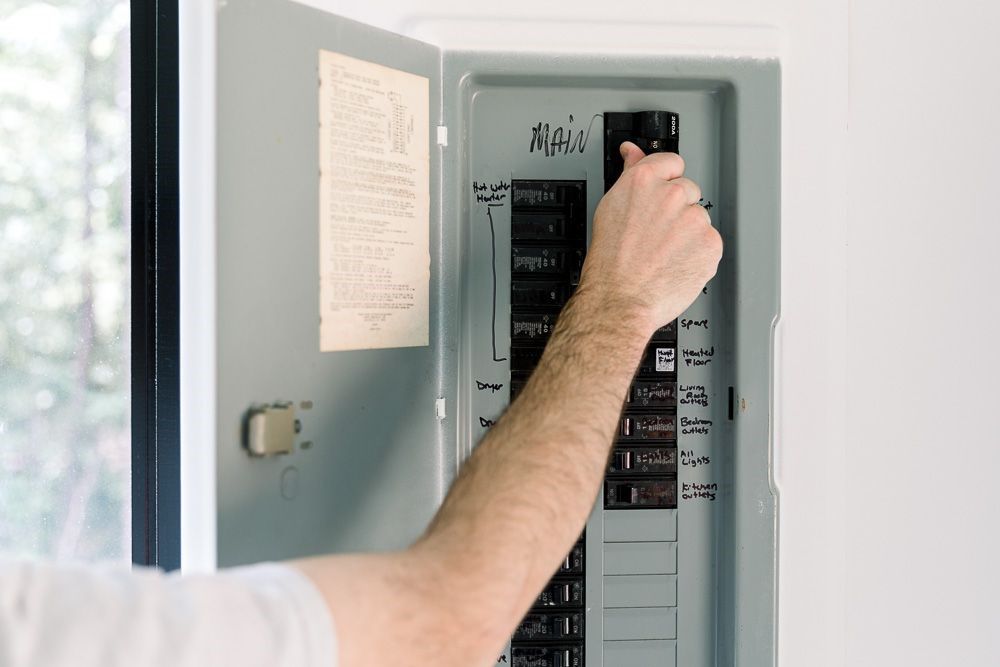
Beyond the big upgrades, a handful of smaller steps go a long way toward keeping your home safe. Before a storm arrives, know where your main breaker is and how to shut off power if flooding threatens your panel or outlets. Unplug non-essential electronics to protect them from surges, and never run a portable generator inside a garage, porch, or any enclosed space where carbon monoxide can collect.
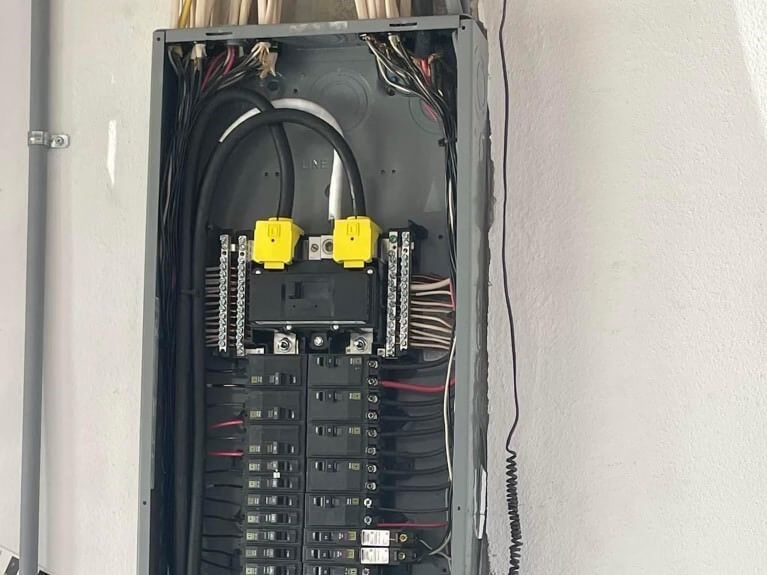
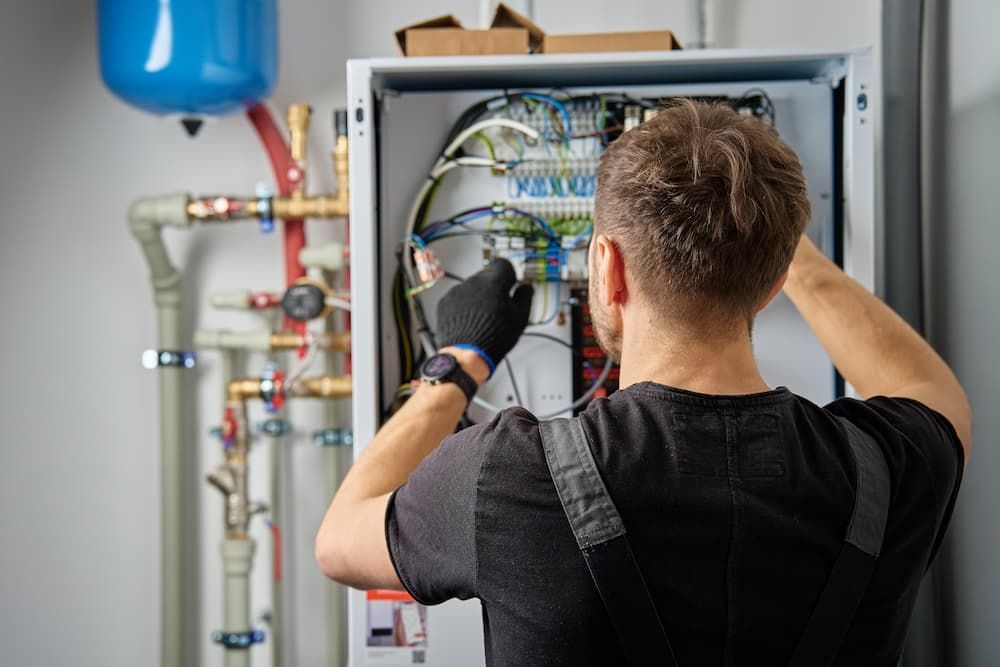
It's also worth having a licensed electrician inspect your panel, wiring, and grounding before the heart of the season. Older panels, corroded connections, and outdoor outlets missing proper weatherproof covers are exactly the weak points a storm exploits. A quick professional inspection catches these issues while there's still time to fix them calmly, rather than during an emergency.
After the storm passes, stay away from any downed lines and standing water near electrical equipment, and have your system checked before restoring power if your panel was exposed to flooding. A little caution on the back end protects both your home and your family as everything comes back online.
Conclusion
Hurricane preparation in Florida has to include your electrical system — surges and outages cause some of the most expensive and dangerous storm damage of all. Whole-home surge protection guards every appliance in your house, a standby generator keeps the lights and AC on when the grid fails, and a simple pre-season inspection closes the gaps that storms love to find. Handled together and ahead of time, these upgrades turn a stressful storm season into something your home is genuinely ready for.
Don't wait for the next storm warning to think about it. Contact Faulkner Electric today to schedule a pre-season electrical inspection, whole-home surge protection, or a standby generator consultation — and ride out this hurricane season with confidence.