What Electrical Work Can Be Done Without a Permit in Florida?
In Florida, direct like-for-like replacement of an existing device generally does not require a permit: swapping a switch, a receptacle, or a light fixture on a circuit that already exists. Anything that adds, moves, or modifies wiring almost always does — new circuits, panel replacements, service changes and rewiring.
The exact line is set by your local building department, not by the state, so Hernando and Pasco do not match perfectly. Confirm before you start. But the general shape is consistent.
Generally no permit required
- Replacing a light switch or dimmer with a like device on an existing circuit
- Replacing a receptacle with the same type and rating
- Replacing a light fixture where the box and wiring stay as they are
- Replacing a ceiling fan on an existing fan-rated box
- Replacing a breaker with an identical type and rating in an existing panel
- Low-voltage work such as doorbells and thermostats, in most jurisdictions
The common thread: nothing new is being added and no wiring is being modified. You are swapping a part.
Permit required
- Any new circuit. Adding a dedicated 20-amp line for a garage freezer counts
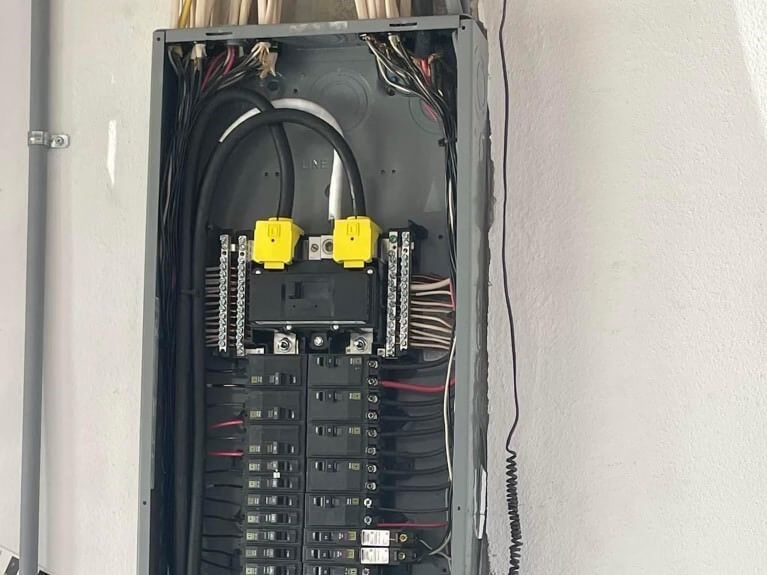
- Panel replacement or upgrade. Always, without exception
- Service changes. Meter can, service entrance conductors, going from 100 to 200 amp
- Rewiring , whole or partial
- New 240-volt circuits — range, dryer, hot tub, pool equipment, EV charger, well pump
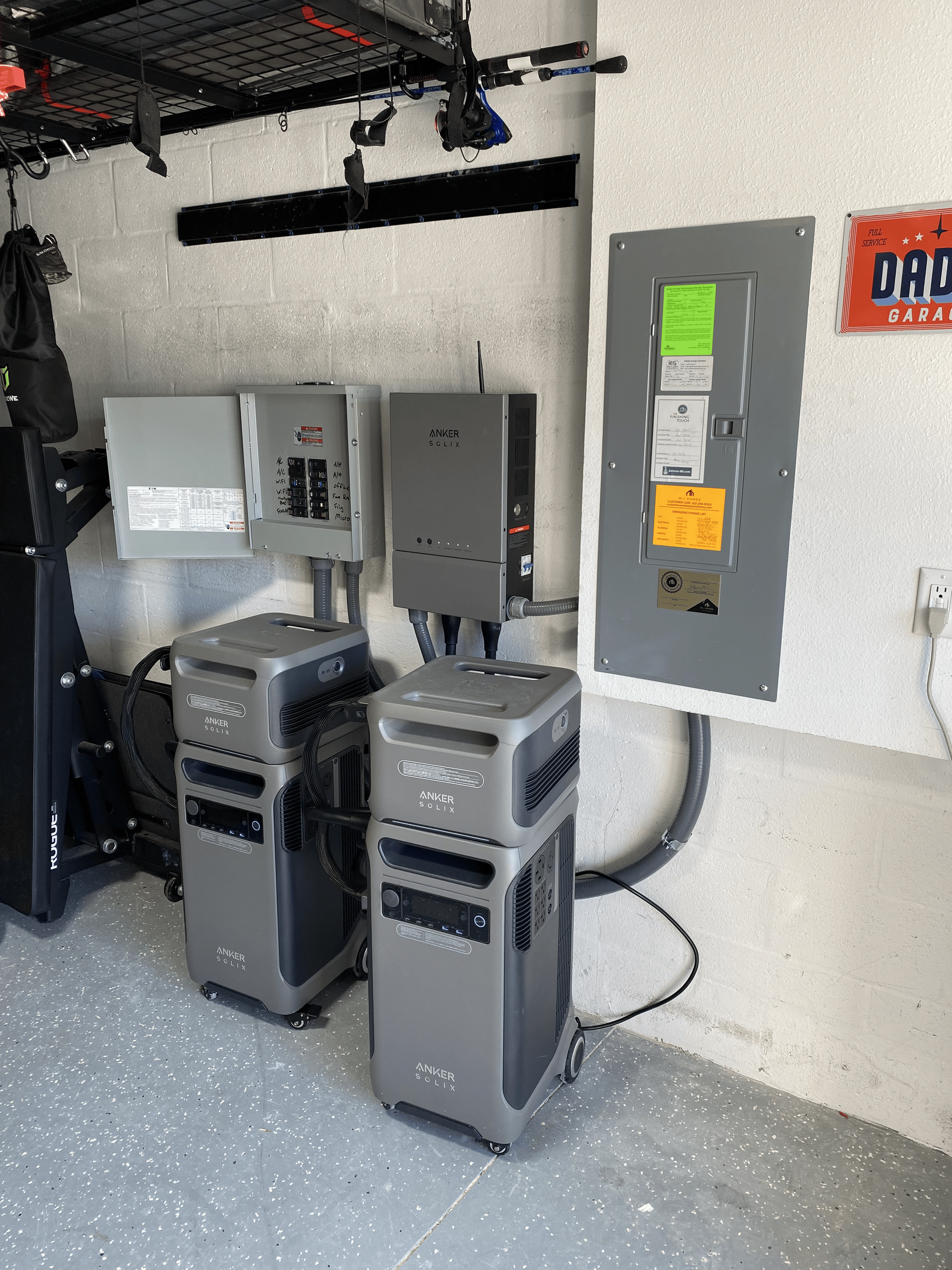
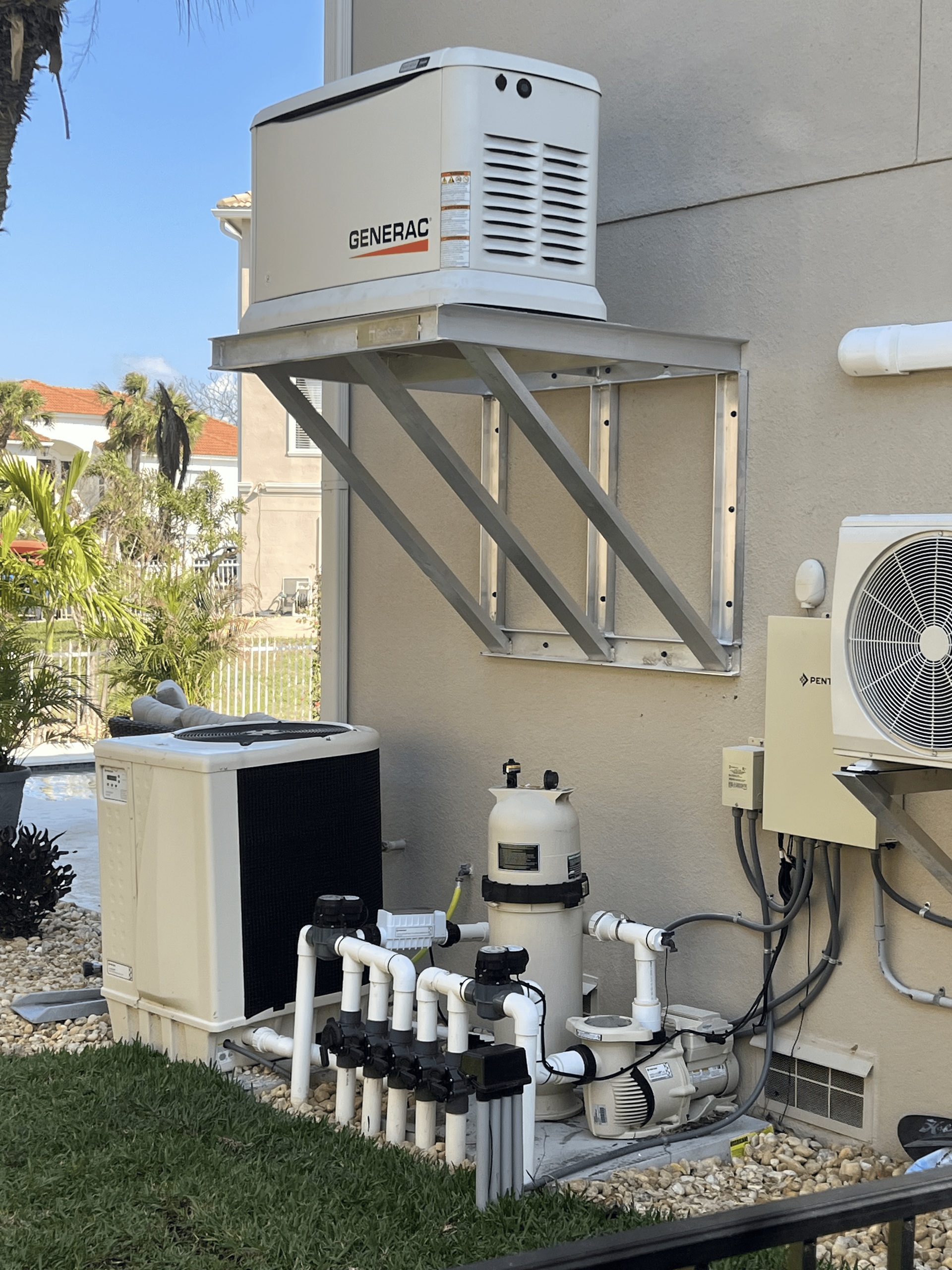
- Generator installation , including transfer switches and interlocks
- Adding outlets, switches or fixtures where none existed
- Detached structures — sheds, garages, docks, boat lifts
- Anything involving water — pool, spa, dock, boat lift wiring
- Solar , in every jurisdiction
Grey areas worth a phone call
Some situations are not obvious, and the answer differs by county.
Replacing a receptacle with a GFCI. Usually treated as like-for-like. Some jurisdictions see it differently if you are extending protection downstream.
Swapping a standard breaker for AFCI or GFCI. Generally fine as a direct swap, but a different type in an older panel can raise questions.
Moving a fixture a few feet. This modifies wiring. Most inspectors treat it as permitted work even though it feels like a swap.
Replacing a fan where no fan-rated box exists. Installing the box is the permitted part.
One call to the building department settles it, and they would rather answer the question than fail the inspection.
Why the permit is worth having anyway
Permits get skipped because they cost a little money and take a little time. Both are small compared to what they prevent.
Resale. A buyer's inspector who finds a 200-amp panel with no permit history creates a problem at the worst possible moment. You either produce the paperwork or you discount the house.
Insurance. Florida carriers can deny claims for damage traced to unpermitted work. If an electrical fire starts on a circuit with no permit, the carrier is entitled to ask questions you will not want to answer.
The inspection itself. A second licensed set of eyes on work that will be hidden behind drywall for thirty years. That is worth the fee on its own.
What permits cost around here
Residential electrical permits in Hernando and Pasco typically run from about $50 for a simple circuit to a few hundred for a service change, depending on scope and valuation. Fee schedules change, so check current rates with your county.
Any legitimate contractor includes the permit as a line item in the quote. If a bid comes in noticeably low and does not mention permits, that is usually the reason.
How we handle it
Faulkner Electric pulls permits where the county requires them and meets the inspector. Our license is Florida State Certified EC13006813 , valid statewide, so there is no delay registering locally regardless of which county you are in.
We have been doing this in West Central Florida since 1973. Free estimates, upfront pricing, permits included in the quote.
Call 727-842-4920 .
Permit requirements vary by jurisdiction and change over time. This is general guidance — confirm current requirements with your county building department.