Is Your Electrical Panel Ready for Florida's Summer Heat?
By the middle of a Florida summer, your air conditioner is running almost around the clock — and every hour it runs, it leans hard on your home's electrical panel. For many homeowners, August is exactly when the trouble shows up: breakers that trip during the hottest part of the afternoon, lights that dim when the AC kicks on, or an outlet that feels warm to the touch. These aren't just annoyances. They're your electrical system telling you it's working harder than it was designed to. Here's how to tell whether your panel is keeping up with Florida's heat — and what to do if it isn't.
1. Why Summer Heat Strains Your Electrical Panel
Your electrical panel is the heart of your home's power system, distributing electricity to every circuit and protecting each one from overload. In the summer, the demand on that panel climbs sharply. Air conditioning alone can account for more than half of a Florida home's electricity use during peak months, and when the AC is competing with the refrigerator, pool pump, dryer, and everything else, the panel is often running near its full capacity for hours at a time.
Heat compounds the problem in a very physical way. Electrical connections naturally warm up as current flows through them, and when the ambient temperature in a garage or utility area is already high, there's less room for that heat to dissipate. Loose connections, aging breakers, and undersized panels all run hotter under these conditions, which accelerates wear and, in the worst cases, creates a genuine fire risk.
Older homes are especially vulnerable. A panel that was perfectly adequate when the house was built decades ago may simply not be rated for today's electrical loads — modern AC systems, multiple refrigerators, EV chargers, and a house full of electronics. If your home still runs on its original panel, a Florida summer is exactly when its limits get exposed.
2. Warning Signs Your Panel Is Overloaded
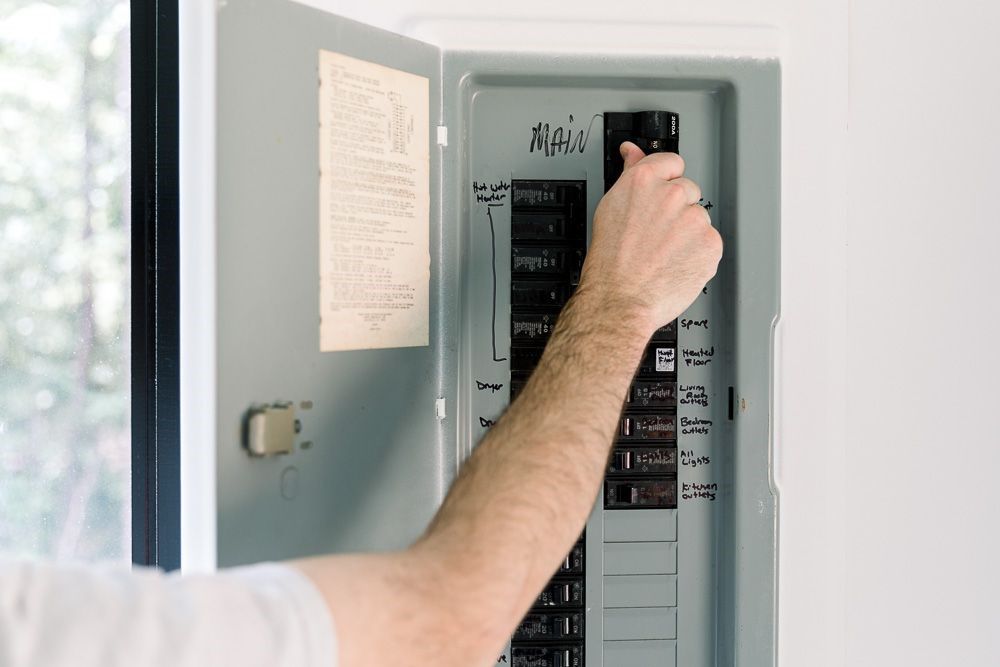
The most obvious red flag is a breaker that trips repeatedly, especially when a large appliance like the AC or dryer starts up. An occasional trip is the breaker doing its job, but frequent tripping means a circuit is consistently drawing more current than it's rated for. Resetting it over and over without addressing the cause only masks a problem that's getting worse.
Pay attention to the smaller signals too. Lights that flicker or dim when the air conditioner cycles on, outlets or switch plates that feel warm, a faint buzzing sound near the panel, or a burning or acrid smell are all signs that something isn't right. Have you noticed any of these during the hottest stretch of the day? In Florida's climate, those symptoms tend to appear precisely when your system is under the most stress.
Some warning signs are easy to miss because they build gradually. Discolored or scorched outlets, breakers that feel hot, and the need to run high-draw appliances one at a time to avoid tripping are all indicators that your panel is stretched thin. None of these should be ignored — they're the early stages of problems that get more expensive and more dangerous the longer they wait.
3. When It's Time for a Panel Upgrade
Not every tripped breaker means you need a new panel, but there are clear situations where an upgrade is the right call. If your home still has an older panel with a lower amperage rating, if you're adding major loads like a new AC system, hot tub, or EV charger, or if you're relying on power strips and extension cords because you've run out of circuits, your panel has likely outgrown your home's needs.
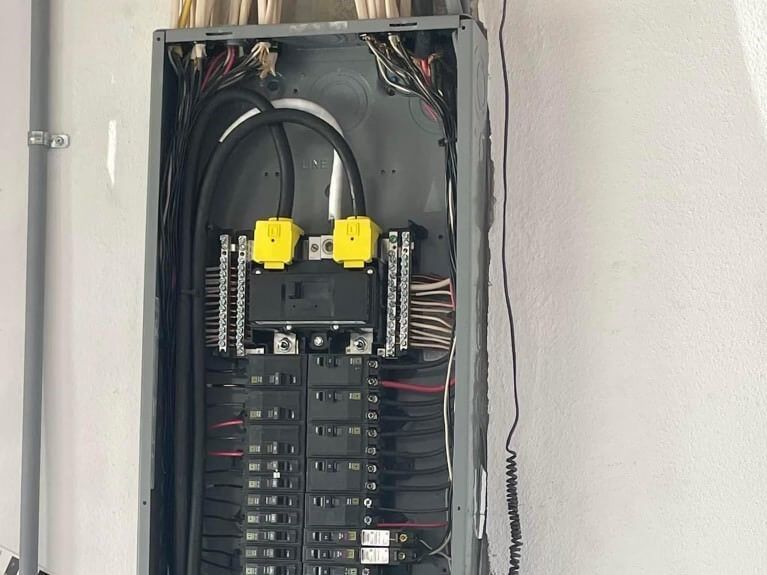
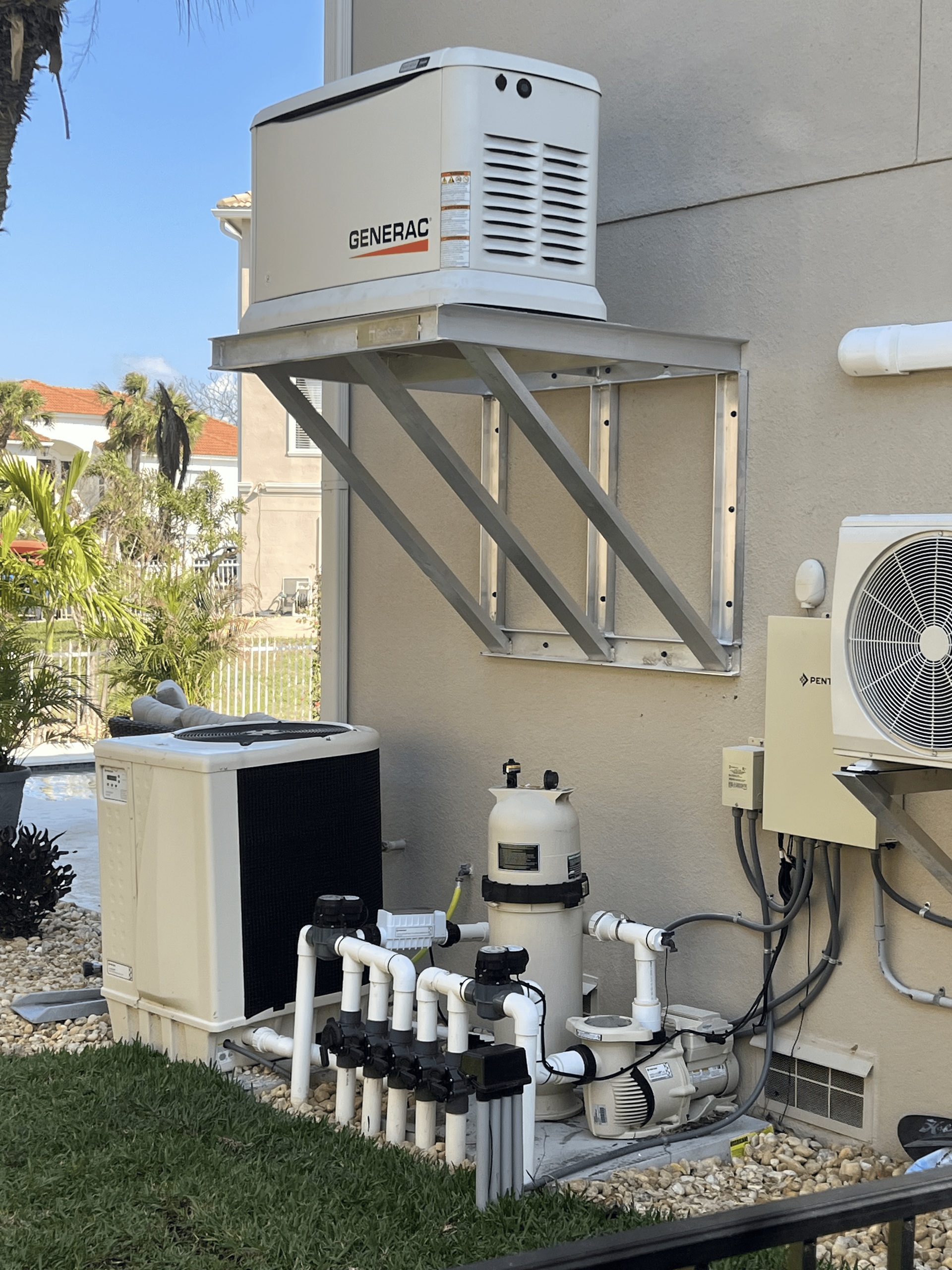
A modern panel upgrade does more than add capacity. It brings your home up to current safety codes, replaces aging breakers with reliable modern ones, and creates room for the surge protection and dedicated circuits that today's appliances require. For many Florida homeowners, upgrading the panel is also the foundation for other improvements — from whole-home surge protection to backup generators — that simply aren't possible on an undersized, outdated system.
There's a safety dimension that's hard to overstate. Certain older panels and brands have well-documented histories of failing to trip properly, meaning they can allow a dangerous overload to continue instead of cutting power. If you're not sure what's behind your panel cover, a licensed electrician can identify it quickly and tell you honestly whether it's a candidate for replacement.
4. How to Protect Your Panel This Summer
Even before an upgrade, there are practical steps that ease the load on your electrical system during peak heat. Stagger your use of high-draw appliances so the dryer, oven, and AC aren't all fighting for power at the same moment, and keep the area around your panel clear and well-ventilated so heat can escape. Simple habits like these reduce strain and help your existing system run cooler.
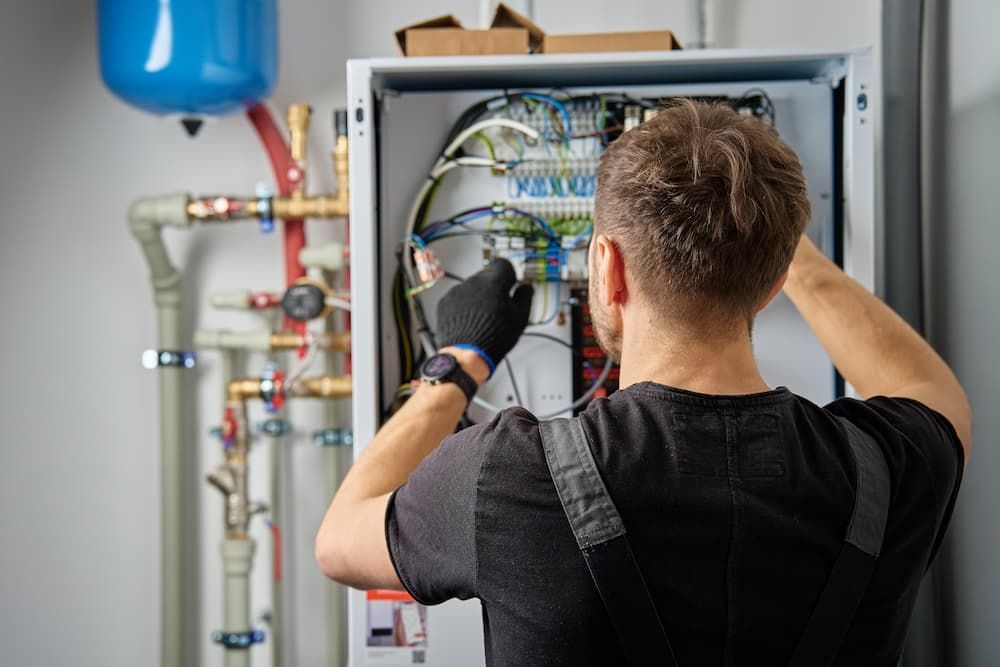
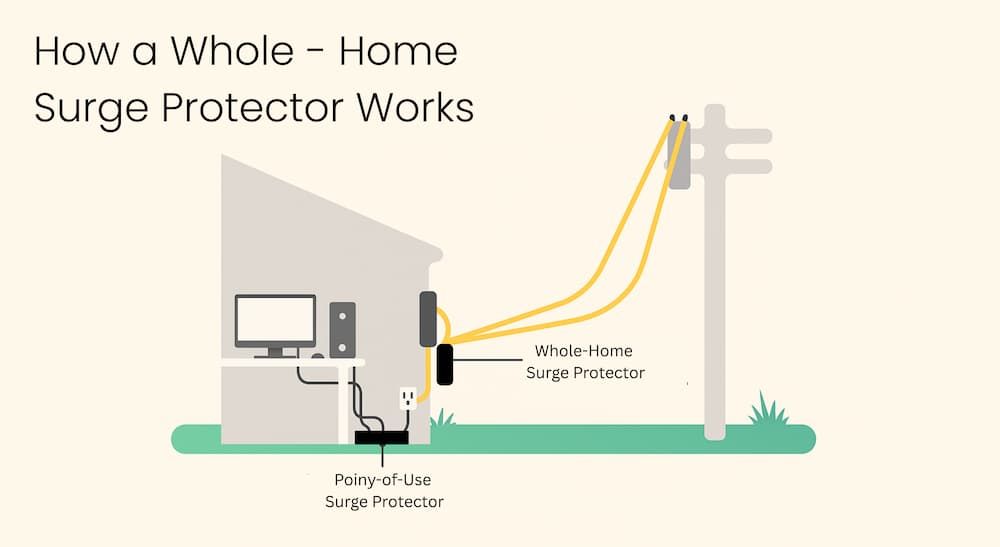
Regular maintenance matters just as much. Having an electrician tighten connections, test breakers, and check for signs of overheating catches small issues before they become failures — and it's far cheaper than an emergency call during a July heat wave. Pairing that inspection with a whole-home surge protector also shields your panel and appliances from the voltage spikes that Florida's afternoon thunderstorms deliver almost daily.
Most importantly, don't treat recurring electrical symptoms as background noise. A panel that's tripping, buzzing, or running warm is asking for attention, and the sooner a professional takes a look, the more options you'll have. Catching a struggling panel early usually means a straightforward fix instead of a stressful, expensive emergency.
Conclusion
Florida's summer heat puts real, sustained pressure on your electrical panel, and the warning signs — tripping breakers, dimming lights, warm outlets, and strange smells — are worth taking seriously. Whether the answer is a simple maintenance visit or a full panel upgrade, addressing the issue early keeps your home cool, safe, and reliably powered through the hottest months of the year. Your panel works hardest exactly when you can least afford for it to fail.
If your breakers are tripping or your panel just isn't keeping up with the heat, don't wait for a failure. Contact Faulkner Electric today to schedule an electrical panel inspection or upgrade — and keep your Florida home safe and comfortable all summer long.