Future-Proof Your Home for EV Charging
The automotive industry is rapidly transitioning toward electric vehicles (EVs), with many homeowners considering how to prepare for this shift. Installing an EV charging station at home is no longer a luxury but a practical investment to support a more sustainable future. Whether you already own an EV or plan to purchase one in the coming years, preparing your home for EV charging ensures convenience, efficiency, and long-term value.
Future-proofing your home for EV charging requires thoughtful planning and an understanding of your home’s electrical infrastructure. Here’s what you need to know to get ready.
Why Future-Proofing for EV Charging Matters
The rise of electric vehicles highlights the shift toward renewable energy and reduced emissions, making homes with EV charging increasingly desirable. Installing a charger offers convenience, lower charging costs, and ensures your vehicle is ready daily. It also boosts property value, appealing to eco-conscious buyers, and prepares your home for future EV needs without delays.
Assessing Your Home’s Electrical Capacity
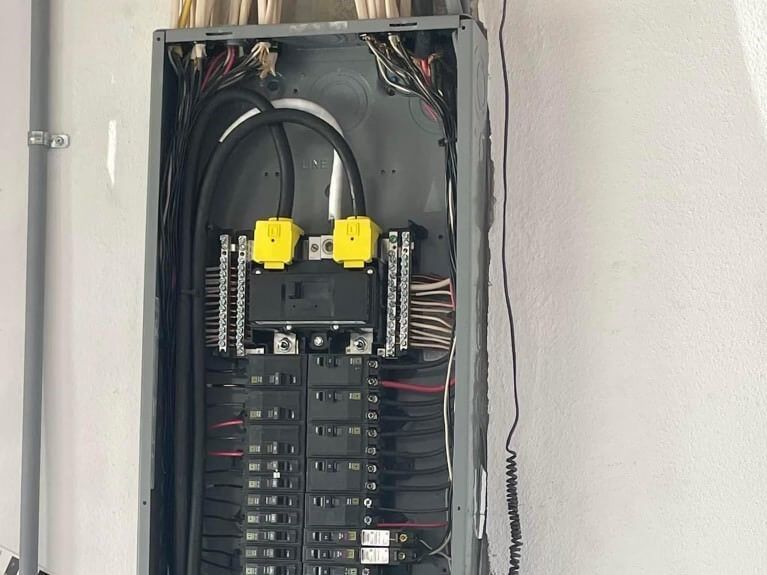
Before you can set up an EV charging station, it’s important to evaluate whether your home’s existing electrical system can support it. Most modern EVs require a Level 2 charger for efficient charging, which operates at 240 volts. This is significantly more demanding than standard household appliances, so it may require upgrades to your electrical panel or wiring.
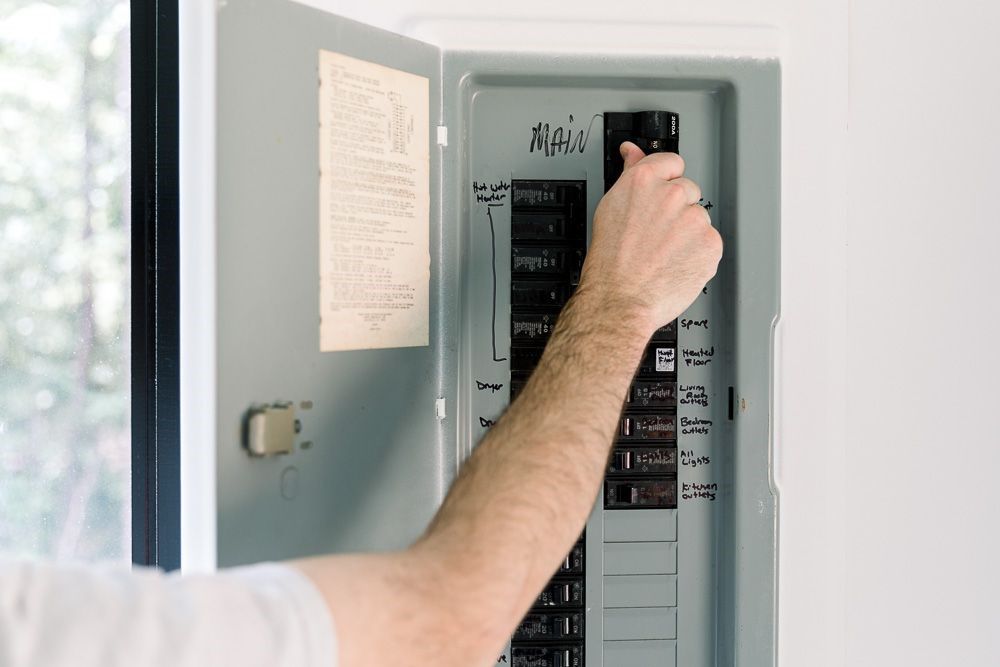
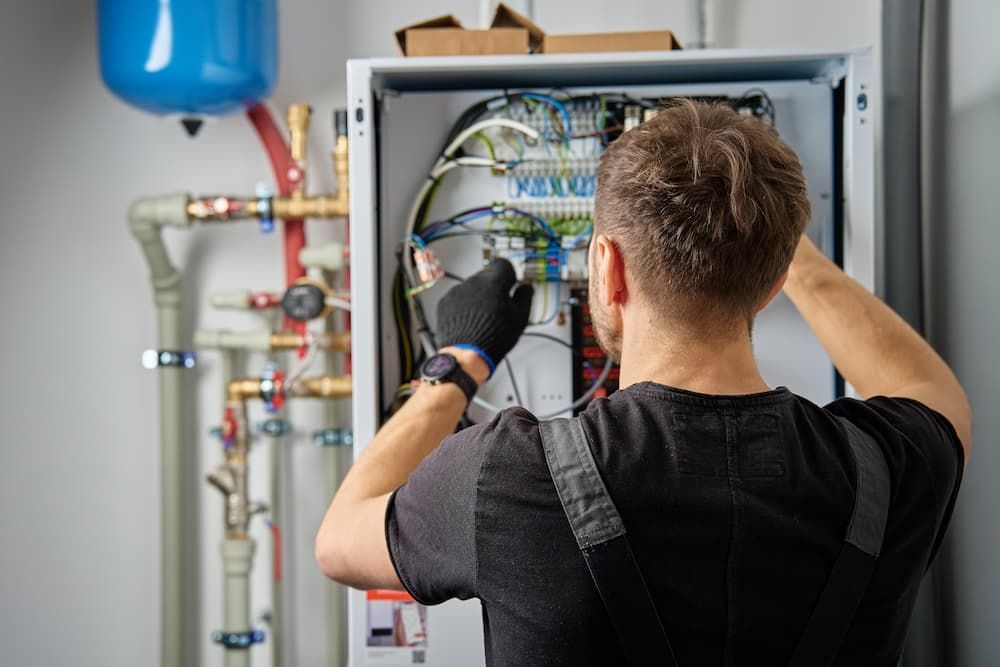
Start by consulting an electrician experienced in installing EV chargers. They will assess your panel’s capacity and determine if there’s enough room to add a dedicated circuit. If your electrical panel is older, you may need an upgrade to handle the additional load safely and effectively.
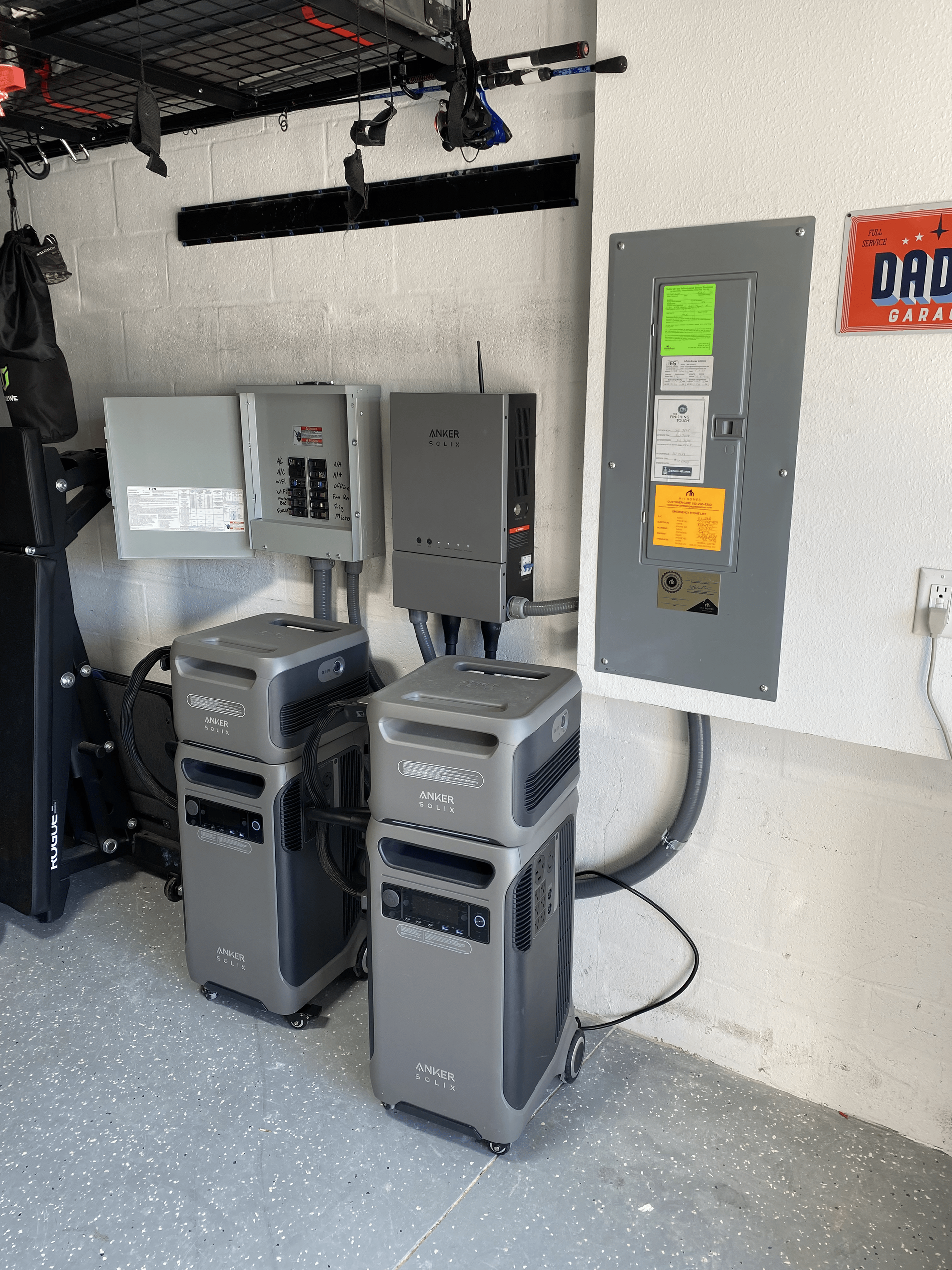
For homes with solar panels or other renewable energy setups, integrating EV charging into this system can add extra efficiency. However, special considerations, like load-balancing technology, may need to be made to ensure all systems work together seamlessly.
Planning for the Right EV Charging Station
Not all EV chargers are the same. Choosing the right station for your home requires understanding your charging needs, vehicle type, and future goals.
Level 1 chargers, which use a standard 120-volt outlet, are slower but adequate for low-range driving needs. However, serious EV owners typically prefer Level 2 chargers, which deliver more power and reduce charging times significantly. Investing in a Level 2 charging station ensures your setup will remain relevant even as EV battery capacities improve over time.
When selecting a charger, consider options such as Wi-Fi-enabled models that allow remote monitoring and control. These smart chargers offer features like scheduled charging sessions, energy consumption tracking, and compatibility with renewable energy sources.
Additionally, it’s worth planning for the number of vehicles you intend to support in the future. If you anticipate owning multiple EVs or hosting guests with electric cars, installing a system that can accommodate additional chargers or deliver power to multiple vehicles simultaneously ensures your home is prepared for growth.
Ensuring Proper Installation and Code Compliance
Once you’ve chosen your charging station, proper installation is critical. EV chargers must be installed according to local building codes and safety standards, which often require permits and inspections.
Location is another key factor in installation. Outdoor installations must consider weatherproofing and accessible placement. Garage setups are often preferable, offering protection for both the charger and the vehicle. Depending on your parking configuration, you may also need to install mounting hardware or arrange for longer conduits and wiring to reach the desired location.
By hiring licensed professionals, you ensure that the installation is safe, compliant, and optimized for functionality.
Adapting your home for EV charging is an investment in both your lifestyle and property value. From assessing your electrical setup to choosing the right charger, planning proactively ensures you are prepared to support the growing prevalence of electric vehicles.
For expert guidance on evaluating your home and installing an EV charging station, contact us today. Our experienced team will help you determine the best solutions tailored to your future needs.