How to Upgrade Your Electrical System for Modern Appliances
In today's fast-paced, technology-driven world, homeowners often find themselves needing to upgrade their electrical systems to accommodate new and more powerful appliances. With advancements in home technology, the demand on residential electrical systems has increased significantly. Upgrading your electrical system is not just a matter of convenience; it is essential for safety, efficiency, and ensuring the longevity of your appliances.
This blog will guide you through the process of upgrading your electrical system, focusing on new appliance circuit installation, to prepare your home for modern-day appliances.
Understanding Electrical Load
Before beginning any electrical upgrades, it is important to understand the concept of electrical load. Electrical load refers to the total amount of power your home's electrical system needs to function properly. Modern appliances often require more power than older models, placing a greater load on your electrical system. Overloading your circuit can lead to frequent tripping of circuit breakers, overheating, and, in extreme cases, fire hazards. Therefore, evaluating your current electrical load and comparing it to the demands of your new appliances is the first step.
Evaluating Your Current Electrical System
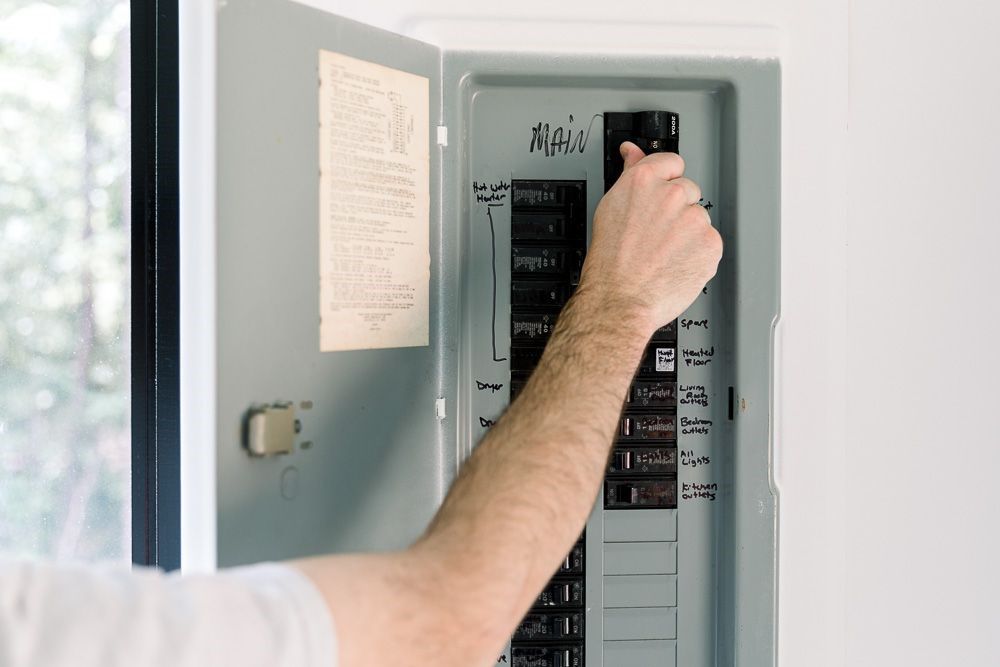
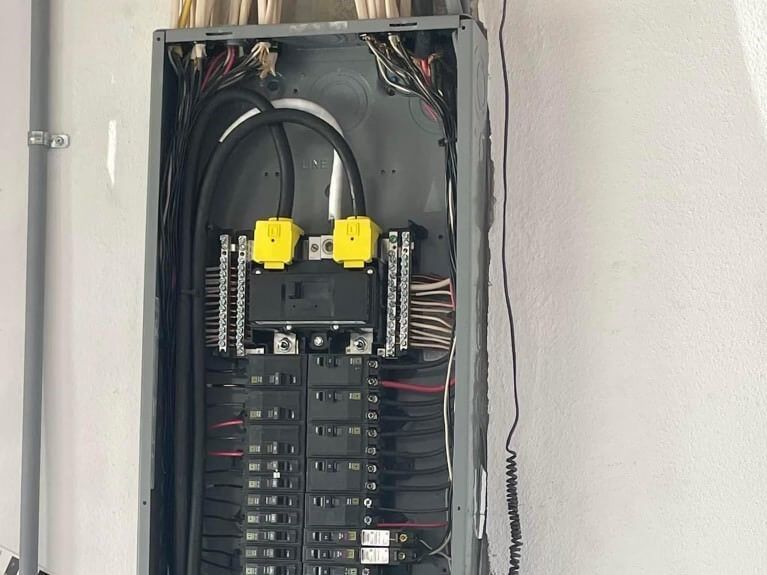
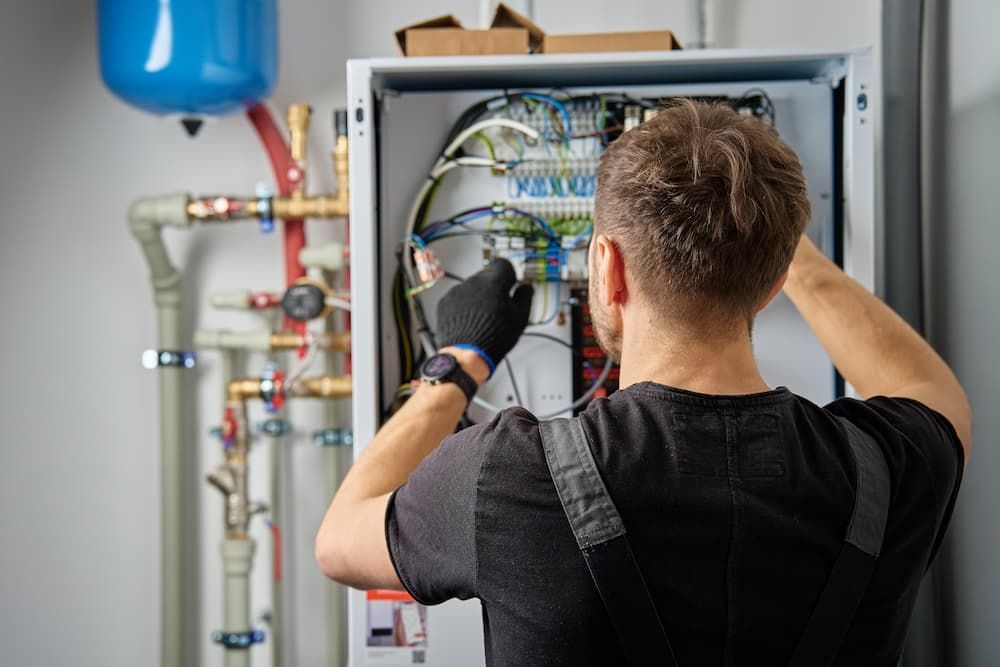
To determine if your current electrical system can handle the addition of new appliance circuits, start by examining your circuit breaker panel. Typically, homes are built with a 100 to 200-amp service panel. Newer appliances, such as high-efficiency washers, dryers, and refrigerators, often require dedicated circuits and higher amperage. Consult with a licensed electrician to evaluate whether your existing panel can be upgraded or if a new panel is needed. This professional assessment should include checking for outdated wiring, overburdened circuits, and the overall condition of your electrical infrastructure.
Planning for New Appliance Circuit Installation
Effective planning is crucial for new appliance circuits installation. Identify all the new appliances you intend to use and their specific electrical requirements. Appliances such as dishwashers, microwaves, stoves, and HVAC systems often require dedicated circuits—meaning they need a single circuit that serves them exclusively. Having dedicated circuits prevents the overloading of existing circuits and ensures each appliance operates efficiently and safely. Your electrician will use this information to map out the placement of new circuits and determine the size of the upgraded service panel, if necessary.
Upgrading Electrical Wiring
Older homes often have wiring systems that are inadequate for today’s electrical demands. For a successful upgrade, it is sometimes necessary to replace old, outdated wiring with new, higher-capacity wiring. Modern appliances and electrical codes generally require insulated copper wire, which provides better conductivity and safety. Loose or corroded connections should also be checked and replaced. Secure and proper connections reduce the risk of electrical fires and improve energy efficiency. Once the wiring is updated, it should be well-organized and labeled to simplify future maintenance or upgrades.
Installing New Circuit Breakers
With the new wiring in place, the next step is to install new circuit breakers that match the amperage requirements of your new appliances. Circuit breakers act as a safety net, shutting off power when the circuit exceeds its capacity, thus preventing overheating and potential fires. Each new circuit should be clearly labeled in your breaker panel for easy identification. When installing new circuit breakers, ensure they comply with the National Electrical Code (NEC) standards to meet safety regulations and standards for electrical installations.
Testing and Inspection
After installation, thorough testing and inspection are essential to ensure your upgraded electrical system operates correctly and safely. An electrician will conduct various tests to check the load handling capacity, verify proper grounding, and ensure there are no loose connections or potential fire hazards. This step confirms that all new appliance circuits are functioning as intended and that your electrical system can handle the increased power demand without issues.
Maintenance and Upkeep
Maintaining your upgraded electrical system involves regular checks and prompt attention to any signs of trouble such as flickering lights, frequently tripped breakers, or unusual sounds from the breaker panel. Regular inspections by a licensed electrician help in identifying potential issues before they become major problems, ensuring the long-term safety and efficiency of your electrical system. Additionally, as you continue to add new appliances or upgrade existing ones, it’s crucial to revisit your electrical plan and make necessary adjustments.
Upgrading your electrical system for modern appliances not only enhances convenience but also plays a vital role in home safety and energy efficiency. By understanding your electrical load, evaluating your existing system, planning for new appliance circuit installation, upgrading wiring, installing new breakers, and conducting thorough tests, you can ensure your home is well-prepared to handle the demands of modern technology. Regular maintenance further ensures the longevity of your electrical system, providing peace of mind and reliable performance for years to come.
Frequently Asked Questions About Upgrading Electrical Systems for Modern Appliances
Why do modern appliances require electrical upgrades?
Modern appliances demand more power than older systems were designed to handle, making upgrades necessary for safety and efficiency.
Do new appliances need dedicated circuits?
Yes, many modern appliances require dedicated circuits to function properly and prevent overloading your electrical system.
How do I know if my electrical system can handle new appliances?
You should evaluate your panel capacity and overall electrical load, ideally with the help of a licensed electrician.
What risks come from not upgrading my system?
Failing to upgrade can lead to circuit overloads, frequent breaker trips, overheating, and potential fire hazards.
Is upgrading my electrical system worth it?
Yes, it improves safety, increases efficiency, and ensures your home can support modern technology and appliances.
Contact our team to get started.